Shader packs, real shadows
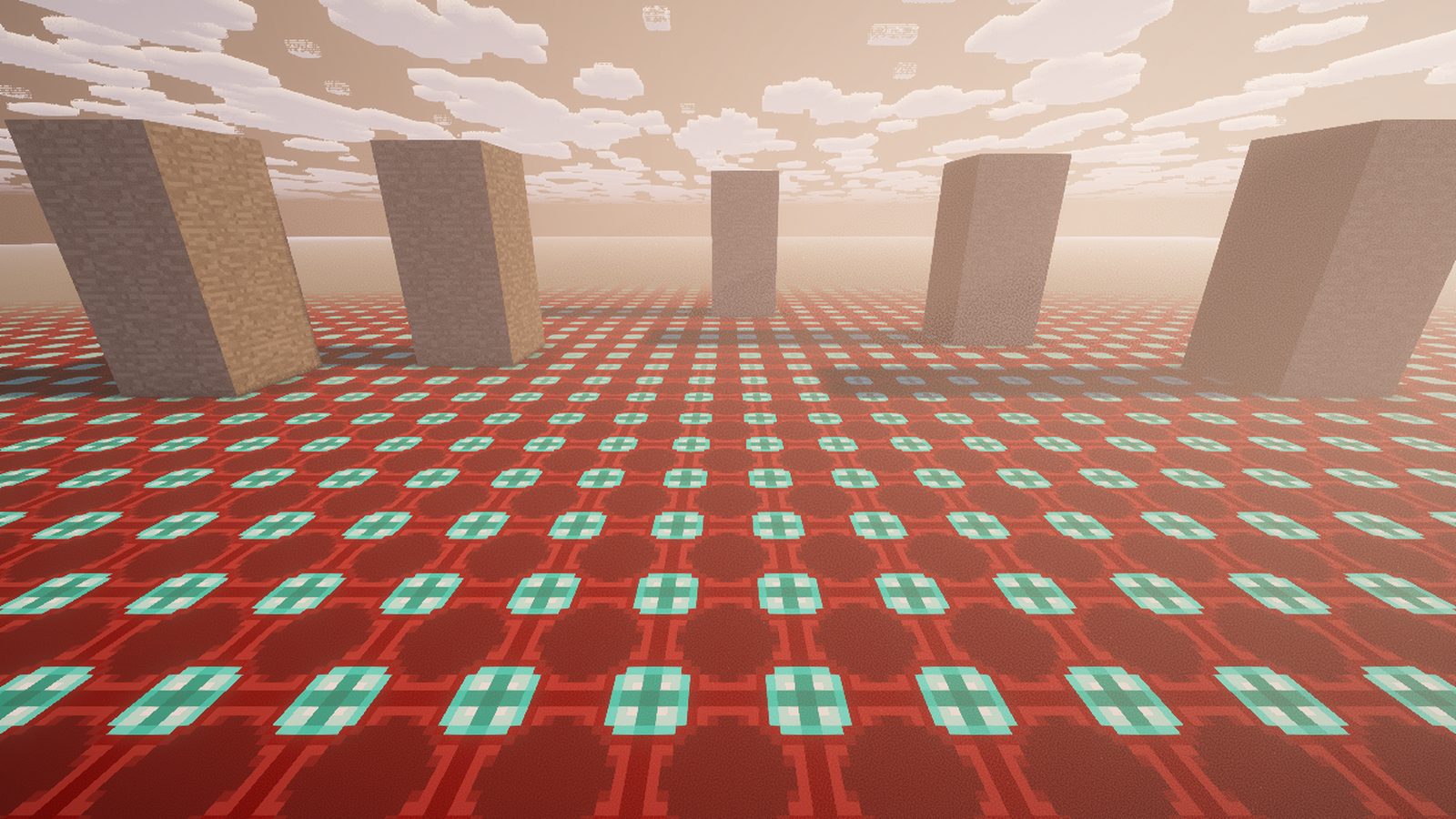
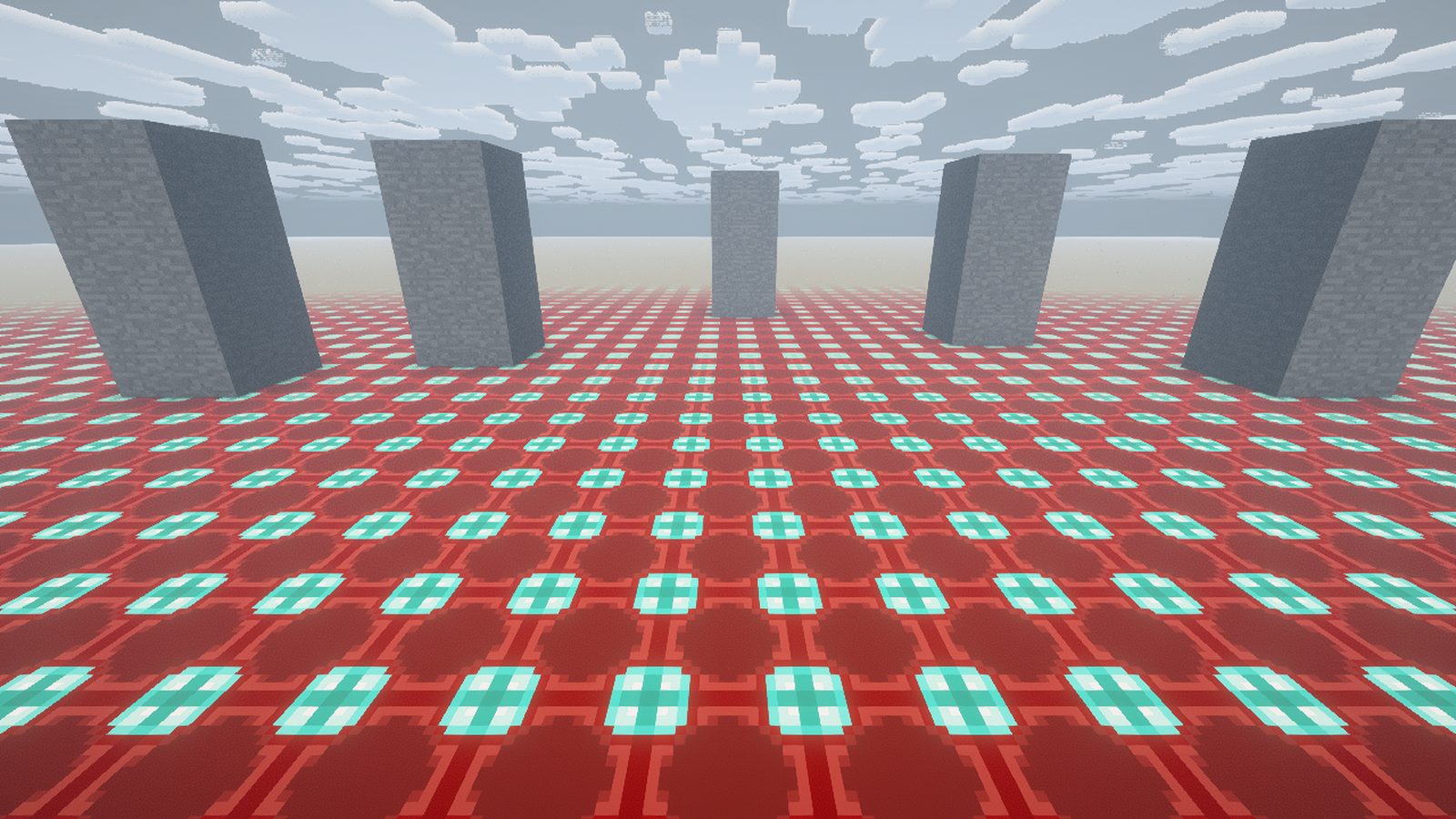
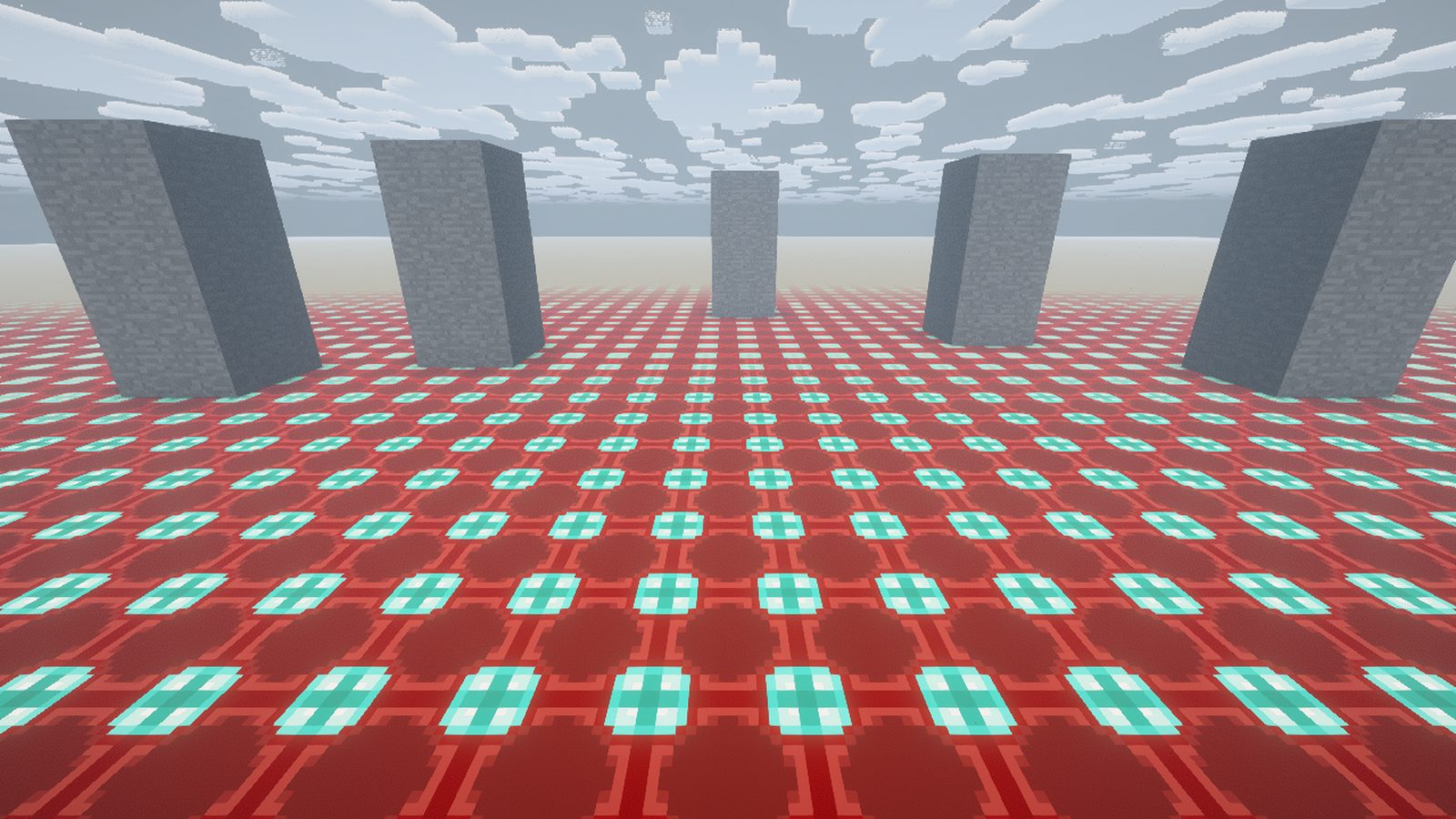
Iris-style shader packs run through the pack route with working shadow maps. Cast shadows are
verified, not assumed: on the shipped v0.3.0 jar, a pinned-time proof scene shows
Complementary's pillar shadows appear, stretch and move with world time.
Native Demonica support
Demonica is supported natively in-core — its bundled GLSM layer talks to Celtium's compatibility
surface directly. Menus, textured GUI draws and in-world programs are maintained against real packs,
not emulated and not refused.
No OpenGL context
The window, swapchain, textures and framebuffers are Vulkan objects from the first frame.
Terrain, entities, items, particles, sky, clouds and the GUI are drawn by native Vulkan passes
that follow Minecraft's own semantics.
A GL-less layer for mods
Mods that call OpenGL directly are served by a compatibility layer covering display lists,
immediate mode, VBOs, FBOs and legacy state — applied only to mods, only where they call GL.
The 1.12.2 ecosystem keeps working.
Modpacks, verified
SkyFactory 4, All the Mods 3, RLCraft, SevTech: Ages, Project Ozone 3 and Nomifactory CEu are
verified end-to-end: zero Vulkan validation errors, full log review, same-pose picture comparison
on AMD and Intel. Supersymmetry (188 mods) and Enigmatica 2: Expert – Extended (≈430 mods) reach
the world with zero validation errors.
An overhaul in progress
The renderer is being rebuilt underneath: a global vertex arena, region offsets via SSBO,
explicit allocation on the hot path, pipeline-state caching. Every landing passes a 1,200+ test
gate on real hardware before it reaches main.